
That Frustrating Moment When Your Garage Door Won't Stay Closed
You press the button on your remote, watch the garage door start its descent, and then — right before it reaches the floor — it reverses and goes back up. You try again. Same thing. Maybe you try holding the wall button, and it still won't cooperate.
This is one of the most common garage door complaints we hear from homeowners in Waddell and throughout the West Valley. The good news is that it's usually fixable, and understanding the cause can help you determine whether it's a quick DIY adjustment or something that needs professional attention.
How Your Garage Door Safety System Works
Before we dive into causes, it helps to understand why your garage door is designed to reverse in the first place. Every modern garage door opener manufactured after 1993 is required by federal law to include two safety mechanisms:
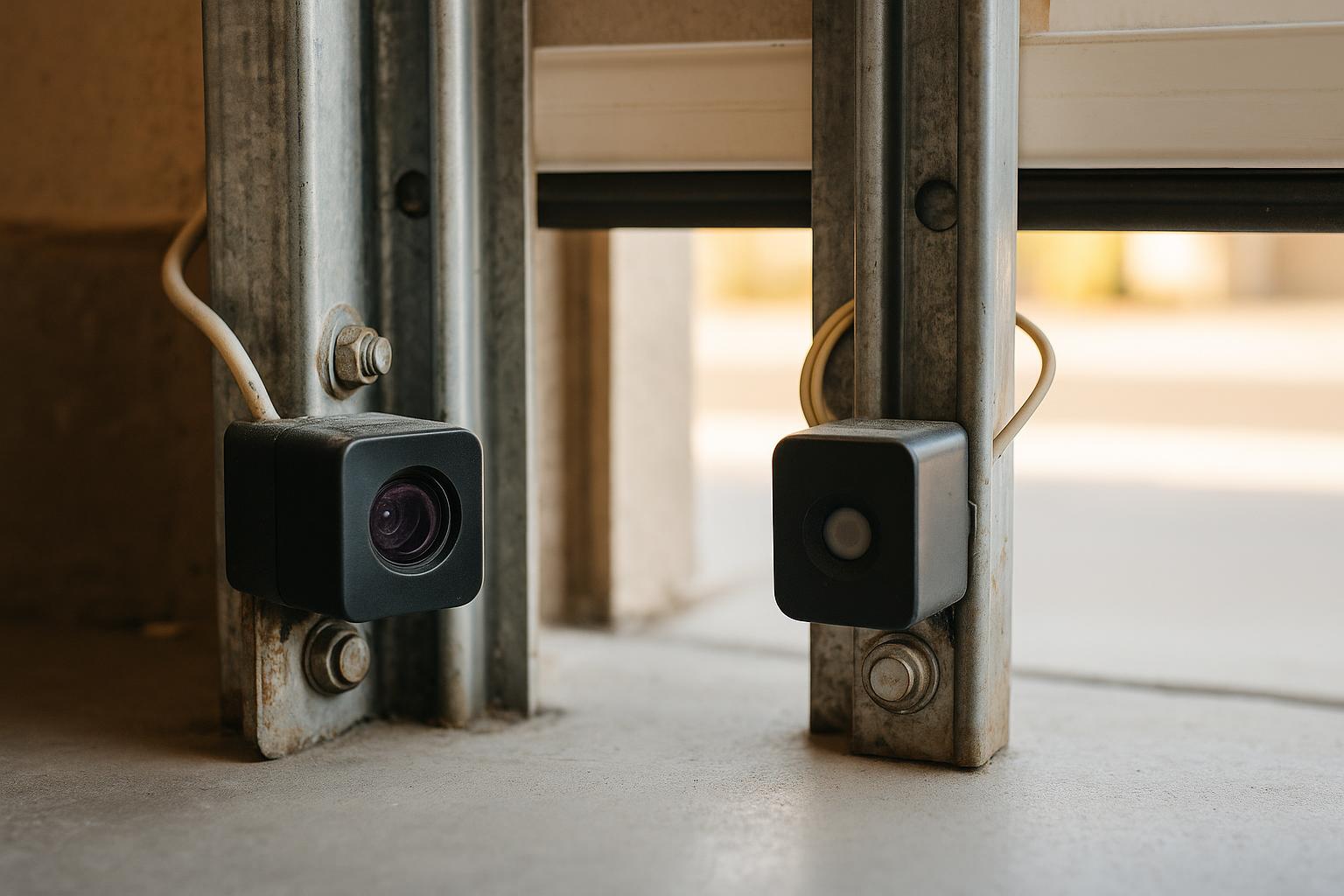
- Photo-eye sensors: These are the small devices mounted near the bottom of your garage door tracks on either side. They project an invisible beam across the opening. If anything breaks that beam while the door is closing, the door automatically reverses.
- Auto-reverse mechanism: If the door encounters physical resistance while closing — like hitting an object or the floor with too much force — it reverses direction to prevent injury or damage.
Both of these systems exist to protect your family, pets, and property. But when something goes wrong with either system, your door can start reversing even when there's nothing in the way.
The Most Common Causes of Unwanted Reversing
1. Misaligned Photo-Eye Sensors
This is the number one reason garage doors reverse unexpectedly. The photo-eye sensors on either side of your door need to be precisely aligned to maintain their beam connection. Over time, they can get bumped, shifted by vibration, or knocked out of alignment by a stray bicycle or trash can.
Here in Waddell, we also see dust and dirt buildup on the sensor lenses as a frequent culprit. Arizona's desert environment means fine dust is constantly settling on everything in your garage. Even a thin layer of grime on one sensor lens can weaken the beam enough to cause intermittent reversing.
What to try: Gently wipe both sensor lenses with a soft cloth. Check that both sensors have a steady green light (a blinking light usually indicates misalignment). Carefully adjust the sensors until both lights are solid.
2. Incorrect Close-Limit Settings
Your garage door opener has limit settings that tell it how far the door should travel before it's fully open or fully closed. If the close-limit setting is off, the opener may think the door has hit an obstruction when it's actually just reaching the floor.
This is especially common after a new opener installation or if someone has recently adjusted the settings. The opener essentially pushes the door past where it thinks the floor should be, senses resistance, and reverses as a safety precaution.
What to try: Consult your opener's manual for instructions on adjusting the down-limit switch. This usually involves turning a small screw or dial on the opener unit. Make small adjustments and test after each one.
3. Worn or Damaged Tracks
If your garage door tracks are bent, dented, or have accumulated debris, the door can bind or encounter resistance as it moves downward. The opener interprets this resistance as an obstruction and triggers a reversal.
Inspect your tracks visually from top to bottom. Look for any obvious bends, gaps between the track and the wall, or buildup of dirt and debris. In the Waddell area, we occasionally find small rocks or hardened mud inside tracks, especially after monsoon season when wind and rain blow debris into garages.
4. Broken or Worn Rollers
The rollers that guide your garage door along the tracks can crack, chip, or seize up over time. When a roller isn't spinning freely, it creates drag that the opener may interpret as an obstruction. Nylon rollers tend to crack in extreme heat, and Arizona summers certainly push them to their limits.
What to look for: Visually inspect each roller. If you see cracks, flat spots, or rollers that wobble excessively, they likely need replacement.
5. Wiring Problems
The wires connecting your photo-eye sensors to the opener can become damaged, frayed, or disconnected. Rodents, lawn equipment, and general wear can all compromise the wiring. A damaged wire can send inconsistent signals to the opener, causing sporadic reversing that seems to have no pattern.
6. Springs That Need Attention
While less obvious, worn or improperly balanced springs can contribute to reversing issues. If your springs aren't providing adequate counterbalance, the opener has to work harder to move the door. This extra strain can trigger the force-sensing reversal mechanism, especially as the door nears the closed position where spring tension is lowest.
When to Call a Professional
Some of these fixes — like cleaning sensors or checking for track debris — are safe for most homeowners to handle. But there are situations where calling a garage door technician is the smart move:
- Spring issues: Garage door springs are under extreme tension and can cause serious injury if handled improperly. Never attempt to adjust or replace springs yourself.
- Track realignment: Bending tracks back into shape requires specific tools and knowledge to avoid making the problem worse.
- Persistent problems: If you've cleaned the sensors, checked the limits, and inspected the tracks but the door still reverses, there may be an underlying issue that requires diagnostic experience.
- Opener malfunctions: If the logic board inside your opener is failing, no amount of external adjustment will solve the problem.
At Waddell Garage & Gate, we diagnose reversing issues regularly for homeowners across Waddell, Surprise, Litchfield Park, and the surrounding communities. In most cases, we can identify and resolve the problem in a single visit.
Preventing Future Reversing Problems
A little preventive maintenance goes a long way toward keeping your garage door operating smoothly:
- Clean your photo-eye sensors monthly. A quick wipe with a microfiber cloth takes ten seconds and prevents the most common cause of unwanted reversals.
- Lubricate moving parts every six months. Use a silicone-based lubricant on rollers, hinges, and tracks to reduce friction and wear.
- Schedule annual tune-ups. A professional maintenance visit catches small problems before they become big headaches — and keeps your door running safely all year long.
- Keep the area around your sensors clear. Make sure nothing is stored near the bottom of the tracks where it could interfere with the sensor beam.
Don't Ignore a Reversing Garage Door
It might be tempting to just use the wall button to hold the door closed or to disconnect the opener entirely, but these workarounds bypass the safety systems designed to protect your family. A garage door that won't close properly is a security risk and a safety hazard.
If your garage door keeps reversing and you can't pinpoint the cause, give us a call. We serve Waddell and the entire West Valley, and we'll get your door closing the way it should — safely, smoothly, and all the way to the floor.